Unlike precise digital editing techniques, Xerox art is unpredictable. Using a standard photocopier, images are distorted by moving or layering objects during the scan to produce a variety of twisted and unexpected results. This is a collection of recent xerography projects.
Printed Xerography
Inspired by Nicholas Sitton's work, I've been exploring new methods of photo distortion through Adobe Illustrator and Photoshop.
As part of Melbourne Design Week 2026, I attended a screen printing workshop at Troppo Print Studio. I was keen to push the process, so I submitted a distorted photograph rather than a normal image to see how it would translate to print. I really enjoyed the workshop, even though I accidentally printed it upside down on the back of my t-shirt, but hey, lesson learned…I still think it looks pretty cool.
Please click on the images to view at full size.
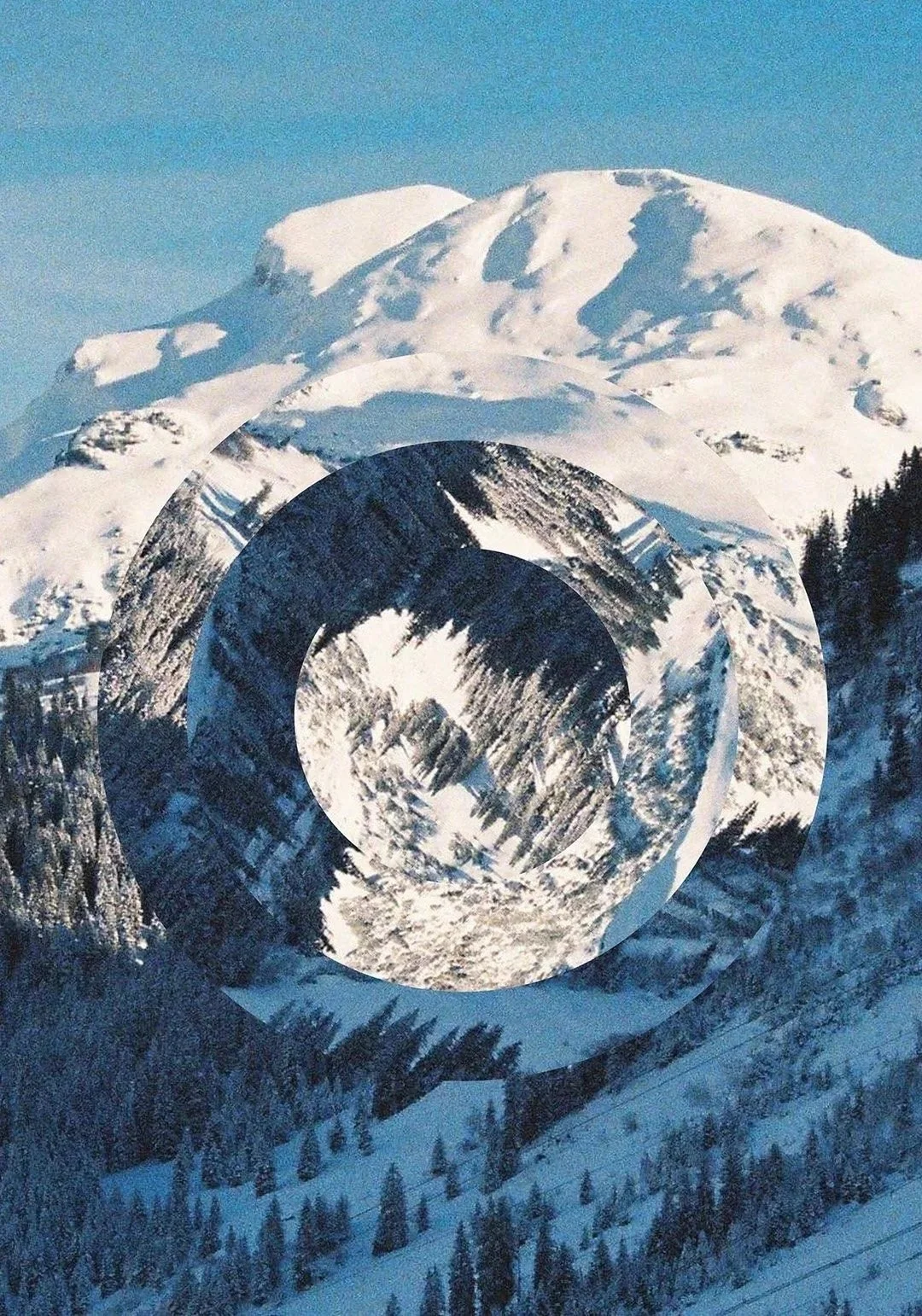
Distorted picture of Austrian Alps
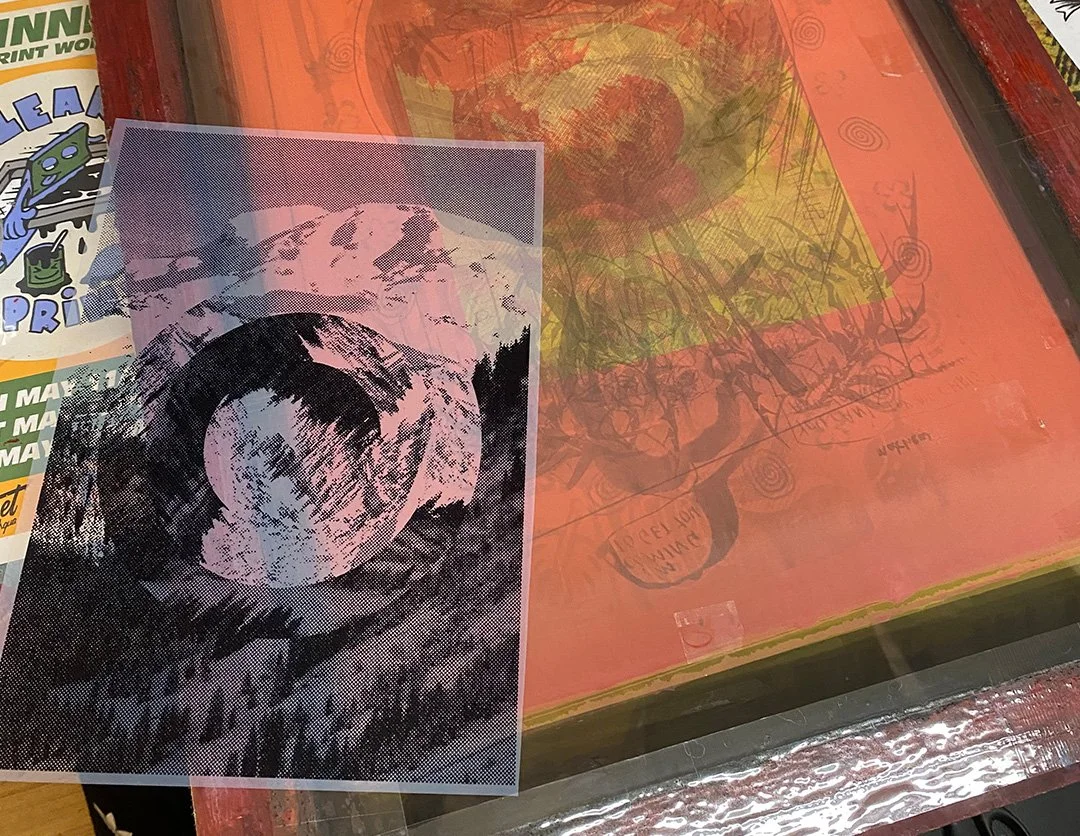
Print screen at Troppo
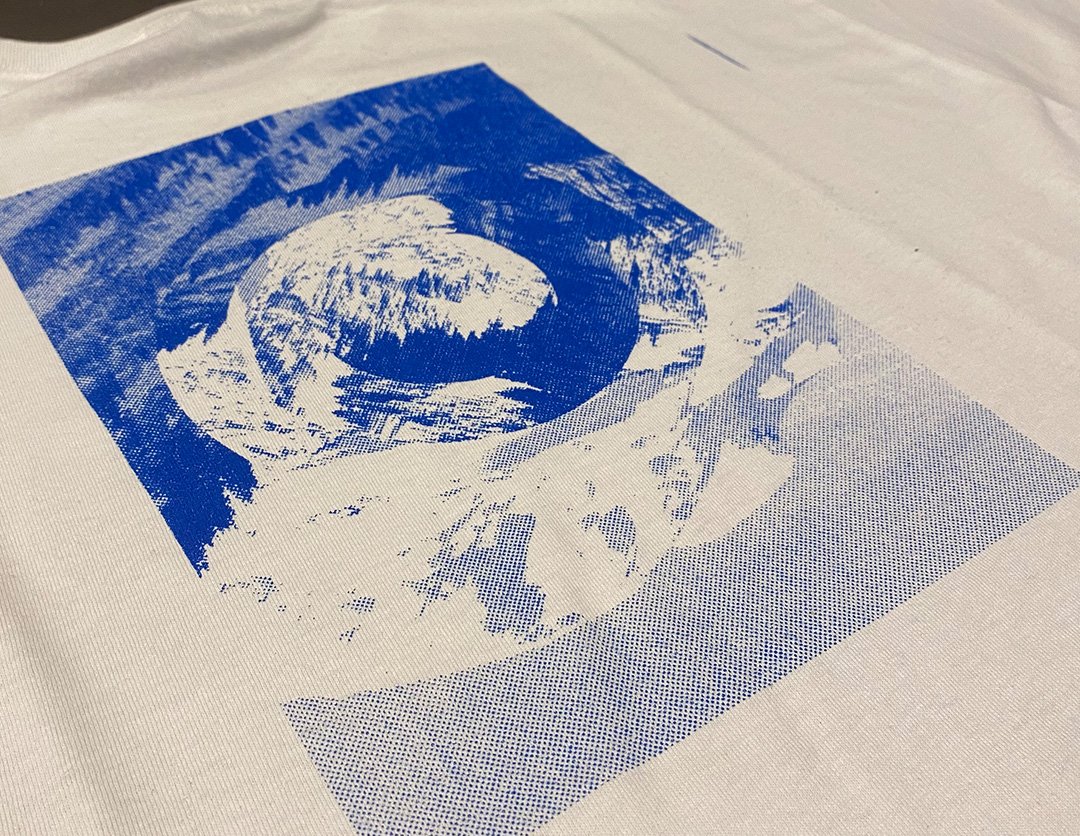
Distorted mountains of T-shirt
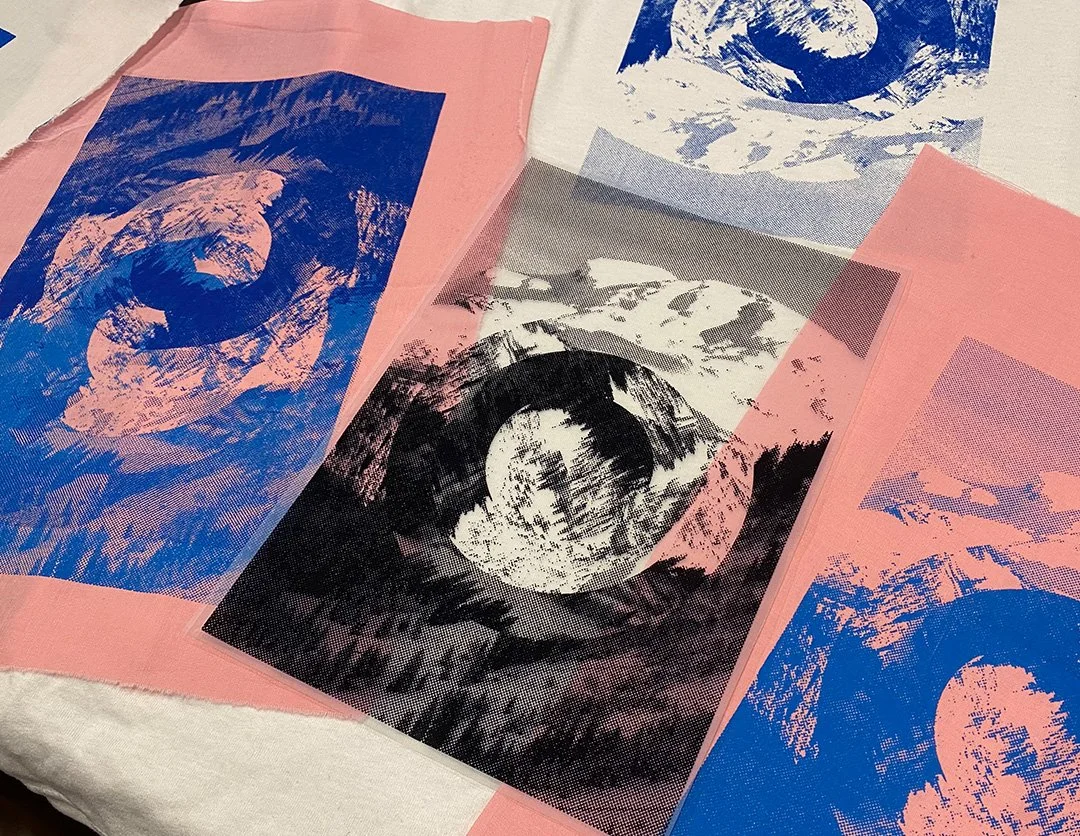
Fabric and ink tests
Lech Lustre
Lech Lustre is an experimental art series that combines manual and digital methods to distort two photographs taken at the Lech ski field in Austria.
I submitted two artworks for the 2024 Incognito Art Show - Australia’s biggest and most inclusive art show. They were sold anonymously for $100 each with proceeds being donated to Studio A, The Arts Factory and Access Arts.
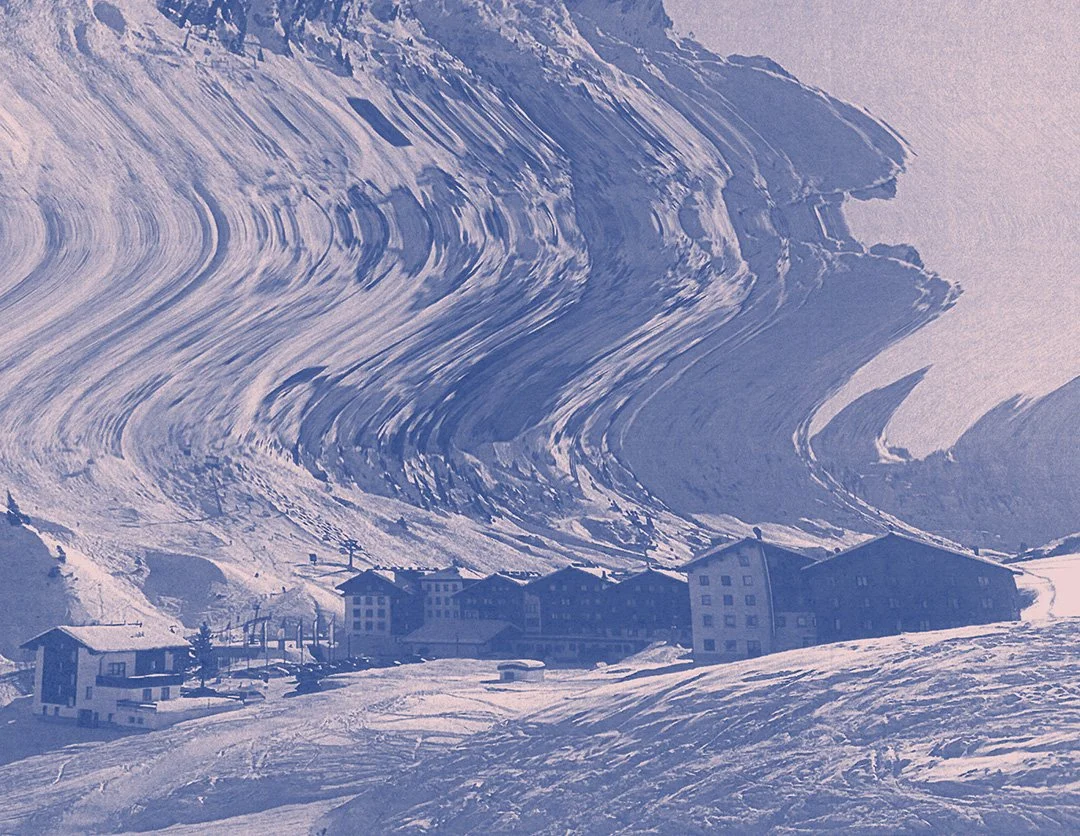
Distorted mountains in Zurs - purple
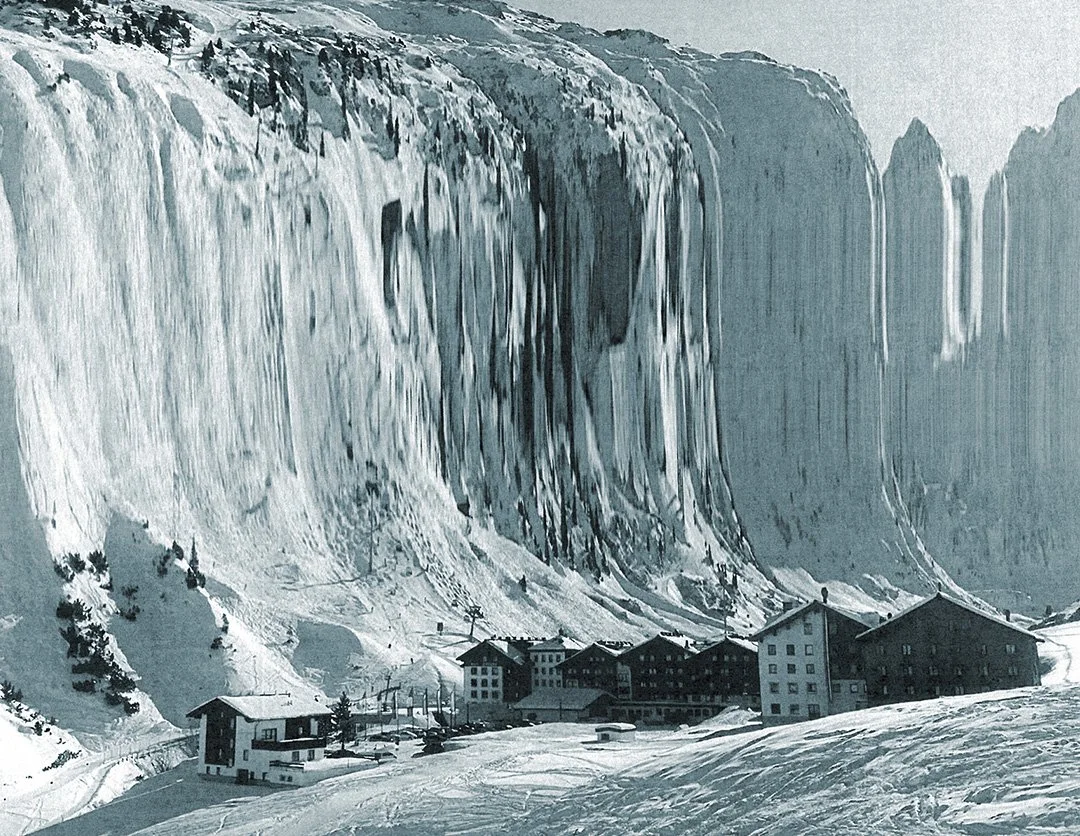
Distorted mountains in Zurs - grey
Experiments
Given the unpredictability of Xerox art, I spent many hours at the photocopier trying to achieve my desired effect. There were plenty of failed attempts along the way, but there are a few outcomes that I was genuinely happy with.
Some of these experiments made it into my zine series, Doctored - where all text and media appear damaged, as though recovered from a corrupted archive.
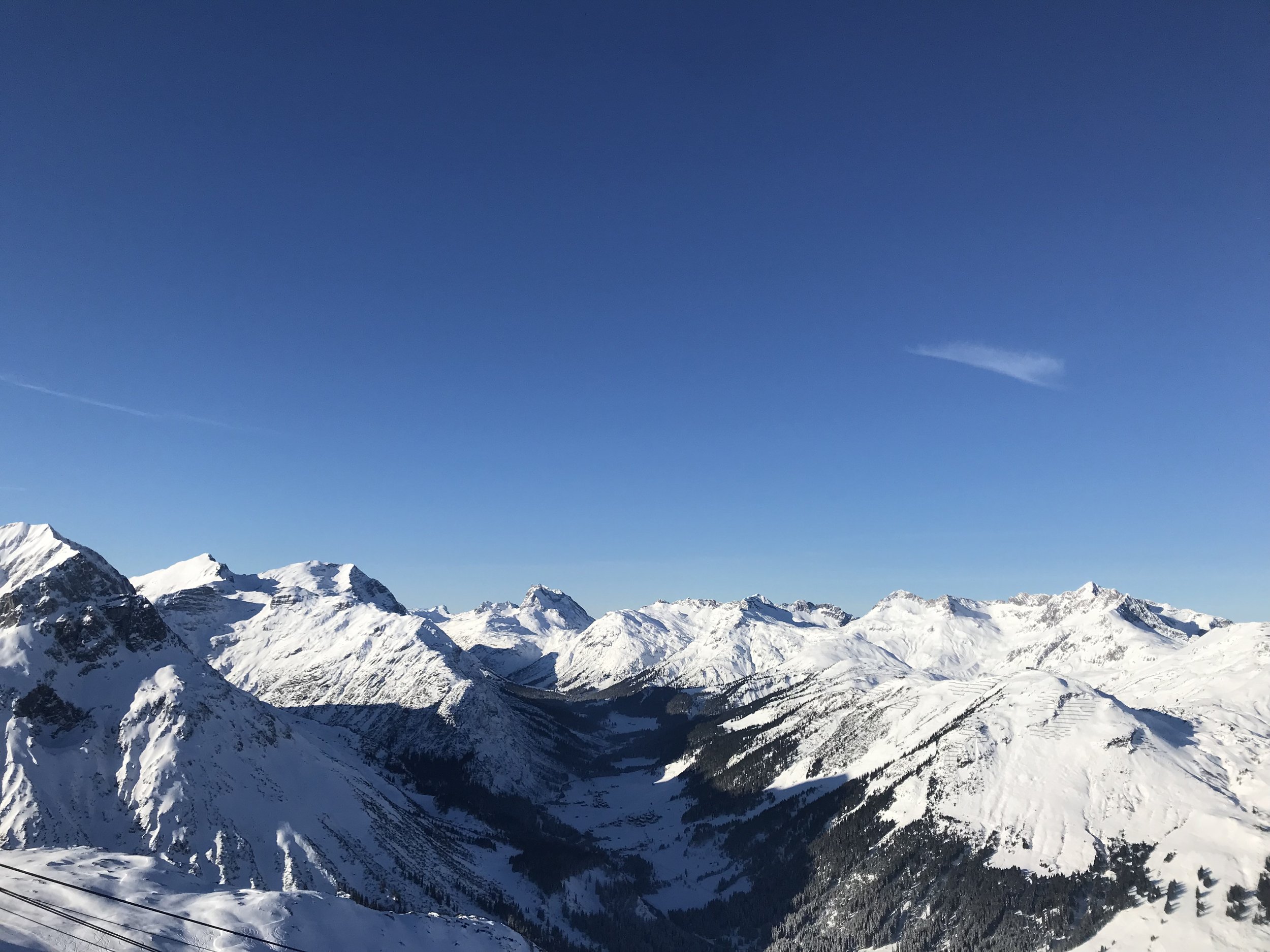
Original photograph. All experiments used the same source image.
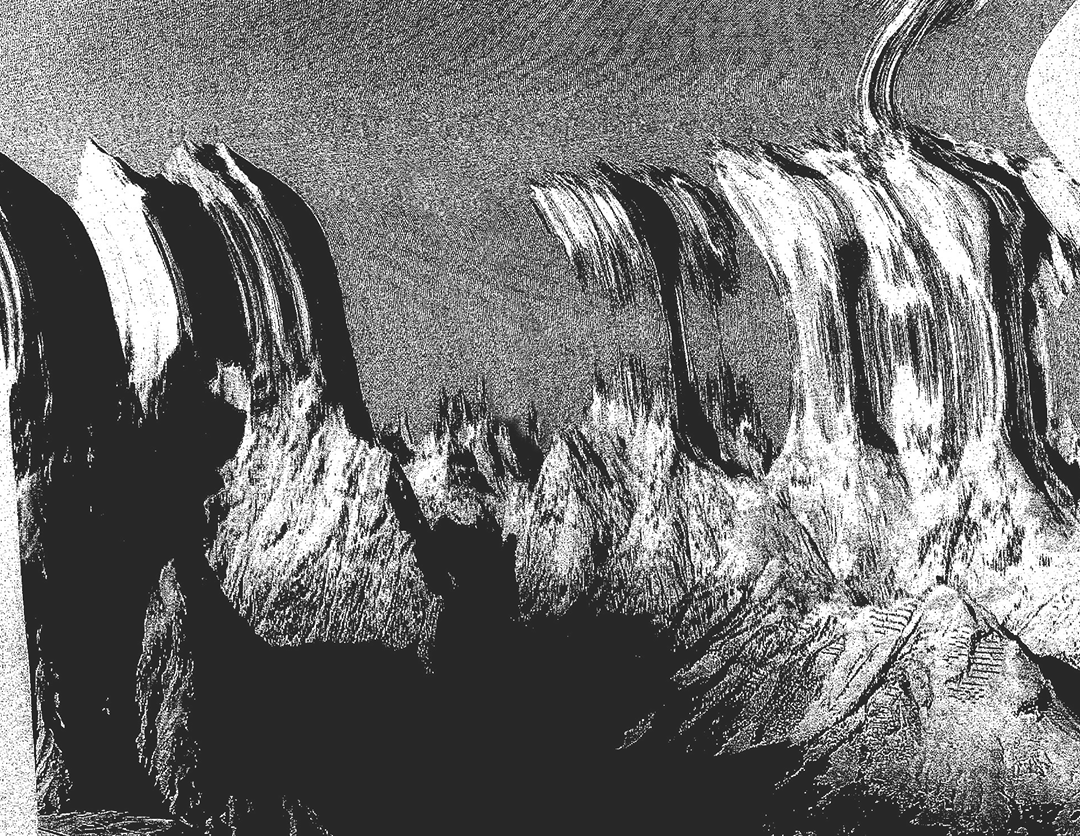
Distorted scan on Austrian Alps
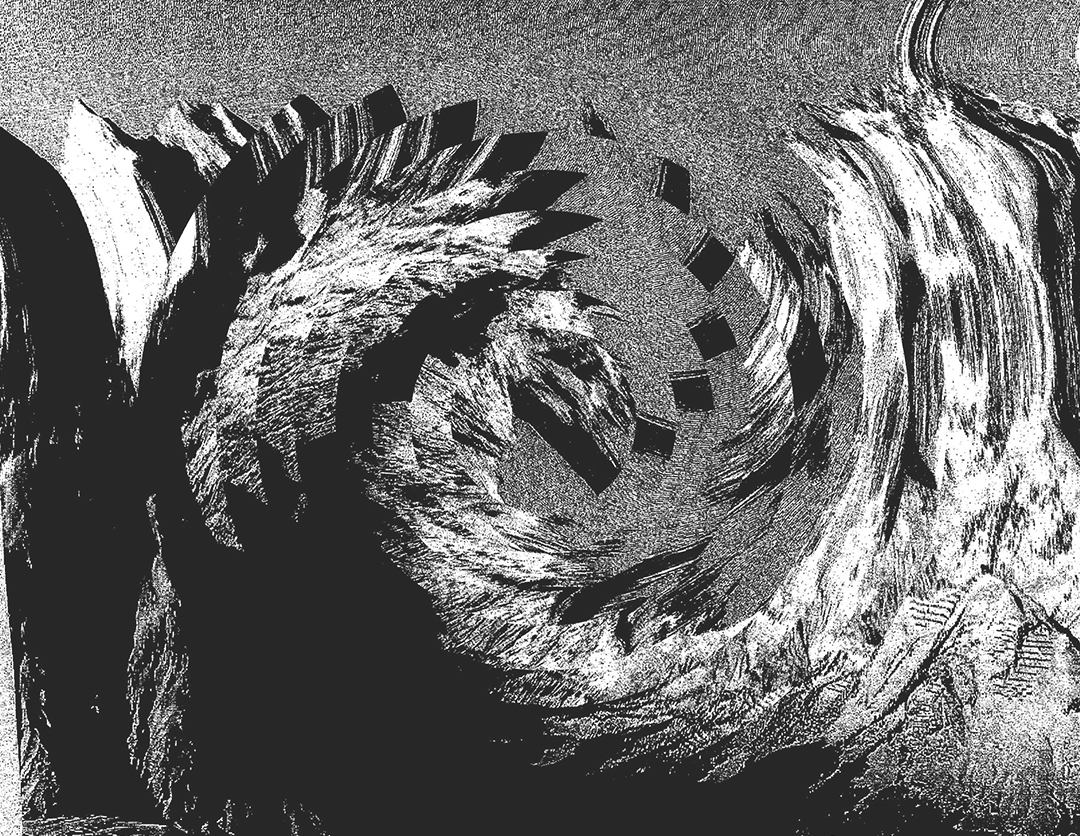
Manual and digital spiral distortion of Austrian Alps
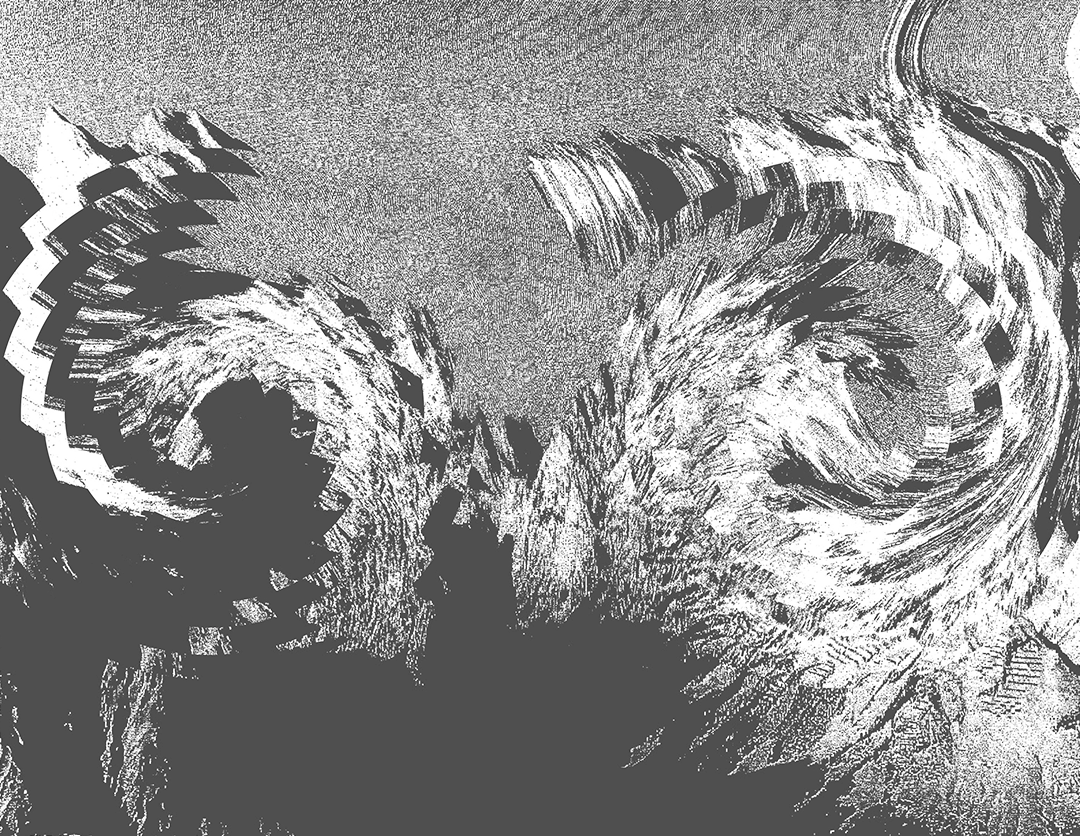
Manual and digital two-spiral distortion of Austrian Alps

Xerography x computer glitch
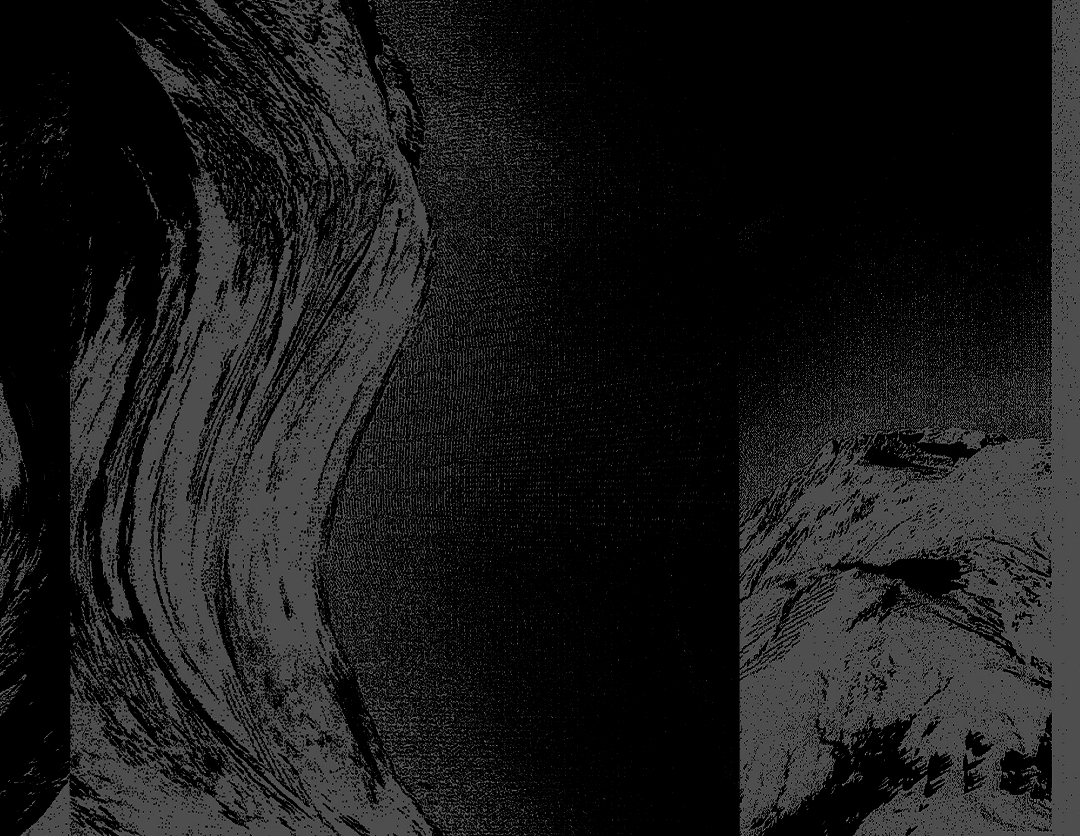
Distorted digital collage